our services:
Enlighta Solutions
were on social media:
Key Performance Indicators (KPIs) for successful vendor management
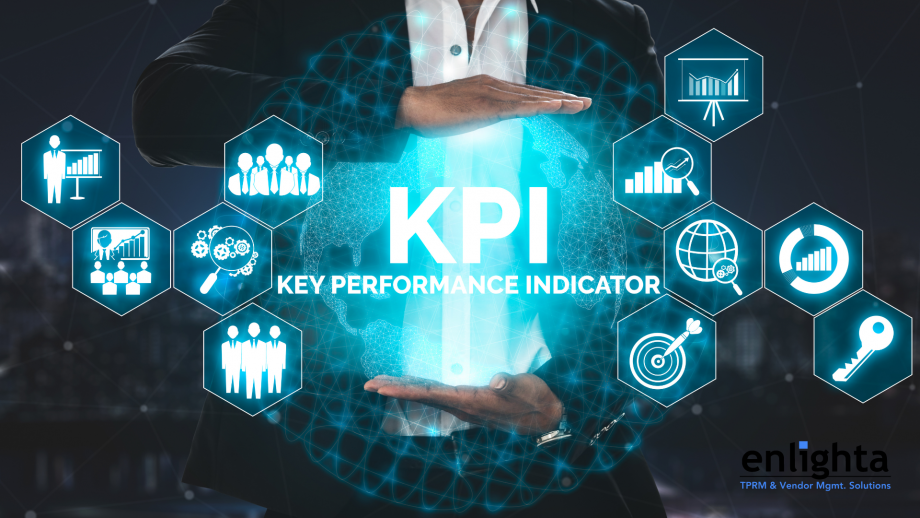
Effective vendor management is crucial for businesses to optimize operations and achieve strategic goals. However, managing a diverse network of vendors presents significant challenges for vendor managers and sourcing leaders. The complexity of modern supply chains, added with increasing regulatory requirements, amplifies the risks associated with vendor relationships. To mitigate these challenges and maximize the value derived from vendor partnerships, organizations must adopt a strategic and data-driven approach.
Key Performance Indicators (KPIs) offer a powerful tool to measure vendor performance, identify cost-saving opportunities, and manage risks effectively. By tracking and analyzing relevant KPIs, businesses can optimize their vendor portfolios, improve operational efficiency, and achieve long-term success.
Modern businesses operate in a dynamic environment characterized by globalization, supply chain disruptions, and increasing regulatory scrutiny. These factors, combined with the growing number of vendors, have made vendor management a critical function.
Key Vendor Management Challenges
Vendor Selection and Onboarding
Identifying suitable vendors, conducting comprehensive due diligence, and integrating new suppliers into the organization smoothly are often fraught with difficulties. The volume of potential vendors, coupled with the need to assess factors like financial stability, reputation, and compliance, can be overwhelming. Moreover, aligning vendor capabilities with internal requirements and ensuring seamless integration into existing systems and processes is a complex task.
Performance Management
Maintaining consistent high performance from vendors is a persistent challenge. Setting clear expectations, establishing effective communication channels, and implementing robust performance measurement systems are essential but often challenging. Additionally, monitoring vendor performance, identifying underperformance, and implementing corrective actions require ongoing effort and resources.
Risk Management
Managing vendor-related risks is a critical but complex task. Identifying potential vulnerabilities, assessing the likelihood and impact of risks, and developing effective mitigation strategies require expertise and continuous monitoring. Furthermore, ensuring compliance with evolving regulatory requirements while maintaining positive vendor relationships is a delicate balancing act.
Cost Optimization
Achieving cost savings without compromising quality or service levels is a constant challenge. Negotiating favorable contracts, identifying cost-reduction opportunities, and implementing cost-saving initiatives while maintaining vendor relationships can be time-consuming and resource-intensive.
Compliance and Regulation
The regulatory landscape is constantly evolving, making it difficult for organizations to stay updated on the latest requirements. Ensuring vendor compliance with data privacy, security, and other industry-specific regulations is complex and time-consuming. Additionally, managing audits and inspections can disrupt operations and increase costs.
To address these challenges and drive successful vendor relationships, organizations must adopt a data-driven approach. Key Performance Indicators (KPIs) provide the necessary tools to measure vendor performance, identify areas for improvement, and make informed decisions. They help businesses gain valuable insights, mitigate risks, and optimize vendor relationships.
To maximize the value of KPIs, it is essential to align them with overall business objectives. By linking vendor performance metrics to broader organizational goals, businesses can ensure that vendor management activities contribute to strategic success. For example, if cost reduction is a priority, KPIs focused on cost savings and price variance analysis would be essential.
Selecting and implementing the right KPIs can be challenging. Factors such as industry-specific requirements, organizational structure, data availability, and resource constraints must be considered. Additionally, measuring and tracking KPIs consistently over time requires robust data management and analysis capabilities.
Top KPIs for Successful Vendor Management
To effectively measure and manage vendor performance, organizations should focus on a set of key performance indicators (KPIs) that align with their strategic objectives. These KPIs provide valuable insights into vendor capabilities, identify areas for improvement, and inform data-driven decision-making.

Operational KPIs
Operational KPIs provide insights into the efficiency and effectiveness of vendor performance in delivering goods or services. These metrics are crucial for assessing vendor reliability, quality, and overall performance. By closely monitoring these KPIs, organizations can identify areas for improvement and optimize vendor relationships
- On-Time Delivery – Measures the percentage of orders delivered on or before the agreed-upon date, impacting customer satisfaction and supply chain reliability. By tracking on-time delivery rates, organizations can identify vendors with reliable performance and take corrective actions for those who consistently fall short.
- Order Fulfillment Accuracy – Tracks the percentage of orders fulfilled without errors or discrepancies, influencing customer satisfaction and operational efficiency. Accurate order fulfillment is crucial for building customer trust and minimizing operational costs. Tracking this KPI helps identify areas for improvement in order processing and inventory management.
- First Pass Yield – The percentage of products or services that pass initial quality inspections, reflecting the vendor’s production efficiency and quality control processes. This metric measures the quality of output at the first production stage. A high first pass yield indicates efficient processes, reduced rework, and improved overall product quality.
- Defect Rate – The number of defective units or services per total output, impacting customer satisfaction and operational costs. By tracking the defect rate, organizations can identify quality issues, implement corrective actions, and reduce customer dissatisfaction.
- Average Lead Time – This measures the average time between order placement and delivery, influencing customer satisfaction and inventory management. Shorter lead times contribute to improved customer satisfaction, reduced inventory holding costs, and increased responsiveness. Tracking this KPI helps identify vendors with efficient production and delivery processes.
- Lead Time Variability – Measures the consistency of lead times, impacting production planning and customer expectations. Consistent lead times are essential for effective planning and resource allocation. This KPI helps identify vendors with reliable delivery schedules.
Customer-Centric KPIs
Customer satisfaction is a direct reflection of vendor performance. By closely monitoring customer-centric KPIs, organizations can gauge the impact of vendor relationships on the overall customer experience and these KPIs provide insights into how well vendors meet customer needs and expectations.
- Customer Satisfaction – CSAT measures customer happiness with the vendor’s products or services. A high CSAT indicates strong customer satisfaction, leading to increased customer loyalty, positive word-of-mouth, and repeat business. To effectively measure CSAT, organizations should implement regular customer surveys and feedback mechanisms.
- Net Promoter Score (NPS) – This KPI indicates customer loyalty and willingness to recommend the vendor, reflecting the vendor’s ability to build a strong customer base. It provides a predictive indicator of future business growth. A high NPS signifies a strong customer base and a positive brand reputation. To calculate NPS, customers are asked to rate their likelihood of recommending the vendor on a scale of 0 to 10
Risk KPIs
Effectively managing vendor risk is crucial for organizational stability and protecting sensitive data. By tracking key risk indicators, organizations can proactively identify and address potential threats.
- Vendor Risk Rating – A comprehensive assessment of the overall risk posed by a vendor, considering factors such as financial stability, operational performance, cybersecurity posture, regulatory compliance, and the potential impact of a disruption. A higher rating signifies a greater need for monitoring and mitigation strategies.
- Contract Compliance Rate – Measures the vendor’s adherence to contractual obligations, including service level agreements, payment terms, and performance standards. A high compliance rate reduces the risk of legal disputes and financial losses.
- Vendor Financial Health – Assesses the vendor’s financial stability through metrics like debt-to-equity ratio, profit margins, and cash flow. A strong financial position indicates a lower risk of default or bankruptcy.
- Cybersecurity Incident Rate – The number of cybersecurity incidents experienced by the vendor, indicating the vendor’s ability to protect sensitive data. A lower incident rate suggests better security practices and reduced risk of data breaches.
- Data Breach Cost – The financial impact of data breaches experienced by the vendor, highlighting the potential consequences of a data breach and the importance of robust cybersecurity measures.
Financial KPIs
Financial health is a cornerstone of successful vendor partnerships. By monitoring these KPIs, organizations can assess the financial stability of their vendors and identify potential risks.
- Spend Under Management – This metric measures the total amount of expenditure managed through the vendor management process, providing a holistic view of the vendor portfolio and opportunities for cost optimization.
- Cost Savings – Quantifies the reduction in procurement costs achieved through effective vendor management strategies. Tracking cost savings helps justify the vendor management function and demonstrates its impact on the bottom line.
Transforming Vendor Management with Enlighta
Implementing the right KPIs is just the first step in mastering vendor management. The real challenge lies in consistently deriving, monitoring, and acting on these KPIs to drive meaningful outcomes. To truly excel, you need a solution that not only captures these metrics but also drives actionable insights. Enlighta is that solution, engineered to empower vendor management leaders with the tools they need to succeed.
Enlighta revolutionizes how you manage Vendor Assessments and Scorecards by seamlessly integrating data from across your enterprise—ERP systems, procurement platforms, financial records, and more. This holistic approach ensures that the KPIs you rely on are comprehensive, accurate, and reflective of the real performance dynamics in your vendor ecosystem.
The platform enhances your assessments with valuable input from key stakeholders, ensuring that your Vendor Scorecards aren’t just numbers on a page but meaningful evaluations grounded in experience. Whether it’s on-time delivery, quality control, or compliance, Enlighta’s auto-calculated KPIs provide a clear, actionable view of each vendor’s contribution to your organization’s success.
For leaders focused on strategic outcomes, Enlighta offers more than just data. It provides the clarity to make informed decisions that drive real impact. With Enlighta, your KPIs become powerful tools for optimization, giving you the insights needed to refine vendor relationships, reduce risks, and align vendor performance with your strategic goals.
Ready to elevate your vendor management capabilities? Get in touch with us today info@enlighta.com or click the button below.